

An introduction
The sun provides more than just light and heat — it is also a powerful source of energy.
Solar power is the electricity generated from sunlight. Using a process called the photovoltaic effect, solar panels convert energy from the sun’s rays into electrical power that can be used to run household and commercial appliances such as lighting, refrigeration, and electronics.
To produce usable solar energy for a home or business, a complete solar power system is required.
A solar power system is made up of more than just solar panels. To generate and use electricity effectively, several components must work together.
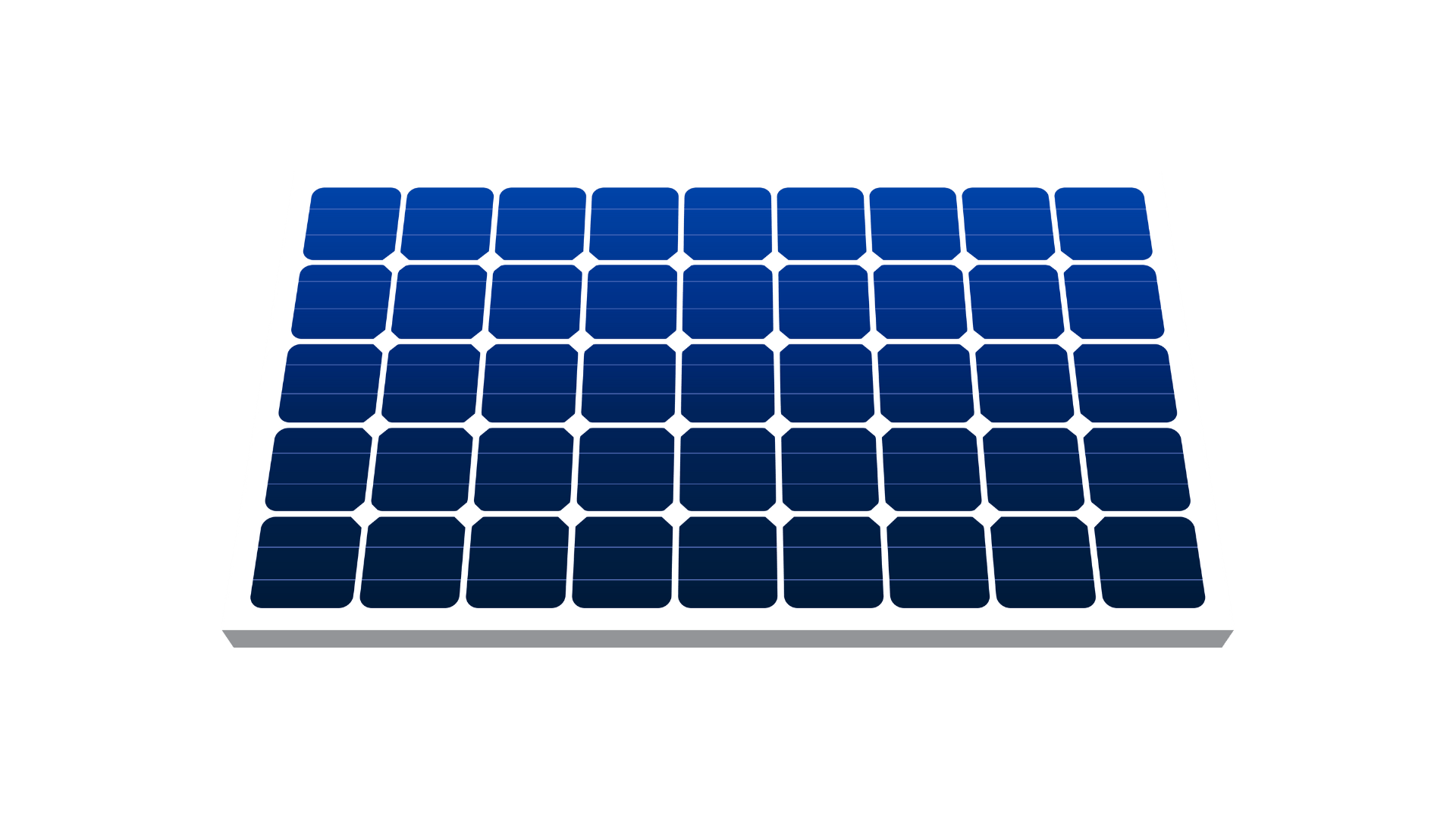
Capture sunlight and convert it into DC electricity

Converts DC electricity into AC power for everyday use

Secures panels to roofs or ground structures
How energy is handled depends on whether the system is connected to the grid:
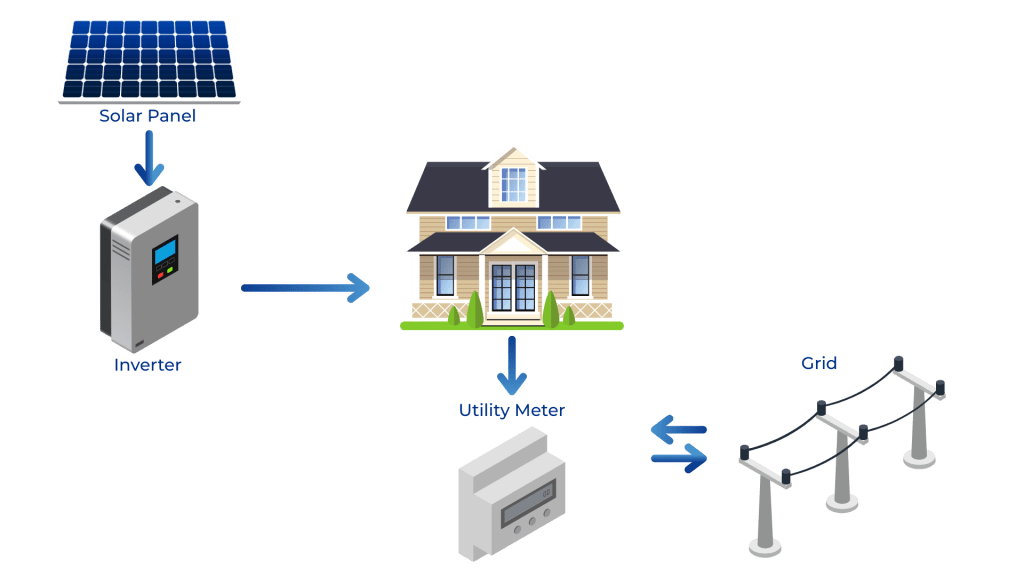
Grid-connected systems can feed excess energy back into the utility grid and draw power when solar production is low.
Off-grid systems require additional equipment to store and manage energy independently.

Store generated energy for later use

Regulates battery charging to prevent damage
All components are connected using balance-of-system items such as cabling, protection devices, fuses, and isolators. Optional monitoring equipment can be added to track system performance and identify faults such as shading or equipment failure.
Solar power is generated from sunlight, a naturally replenishing resource that will not run out.
A correctly sized system can significantly lower grid dependence and, in some cases, reduce electricity bills to near zero.
Solar systems can supply electricity where grid access is limited, unavailable, or prohibitively expensive.
Properties with solar installations often command higher resale values and attract energy-conscious buyers.
Solar systems require upfront capital, especially when batteries are included.
System performance is affected by shading, weather, roof orientation, and location.
Panels require sufficient roof or ground space to generate meaningful power.
Energy storage is the most expensive part of a solar system and should be sized carefully based on actual need.
The first thing to decide when you go solar is whether you need a grid-tied or off-grid system.
Each has a distinct benefit:

Designed for areas without grid access.

Hybrid systems offer flexibility, resilience, and improved energy control.
Net metering is an agreement between a solar system owner and the utility provider.
In grid-connected systems, excess solar energy is exported to the grid. The utility then credits the customer for this energy, which can be used later when solar production is low, such as at night.
Net metering policies differ between utilities and may affect:
Understanding local net metering rules is essential when designing a grid-tied or hybrid system.

Solar panels are made up of solar cells, which are primarily manufactured from silicon, a semi-conductive material. When sunlight hits the silicon, it alters the electrical properties of the material, causing electrons to move and generate direct current (DC) electricity — a process known as the photovoltaic effect.
Each solar cell is a thin square wafer with electrical contacts on its surface. Multiple cells are wired together, sealed behind protective glass, and mounted on a backing sheet to form a single solar panel.
A single panel cannot supply enough power for most homes or businesses. Multiple panels are therefore combined into an array. Panels wired together and connected to the same inverter input are called a string. Each inverter has defined voltage and current limits, which determine how many panels can safely be connected per string.
Solar panels are designed for long-term use and degrade very slowly over time. Most manufacturers guarantee that panels will still produce at least 80% of their original output after 25 years.
Panels do not suddenly fail once the warranty period ends — they simply operate at a slightly reduced output. In practice, many panels outperform their warranties and continue generating usable power well beyond 25 years.
It’s important to note that other system components have shorter lifespans:
Inverters typically last 10–20 years
Batteries vary depending on chemistry (lead-acid vs lithium)
These replacement cycles should be considered when evaluating lifetime system costs.
Types of Solar Panels


For a full in depth explanation on solar panels, read our full guide on Solar Panels
Solar panel efficiency refers to how effectively a panel converts available sunlight into electricity, not how much power you “lose”.
For example, a panel rated at 20% efficiency converts 20% of the solar energy hitting its surface into usable electricity. Higher efficiency panels allow more power generation in less space, which is especially useful for smaller roofs.
Efficiency does not determine system performance on its own — total array size, orientation, and sunlight availability matter just as much.

Solar panels generate DC power, but homes and businesses use AC power. The inverter converts DC electricity into AC electricity so it can be safely used by appliances and fed into distribution boards.
Different inverter types affect:

Batteries are mandatory for off-grid systems and optional for grid-connected systems.
Battery choice impacts system cost, backup duration, and long-term performance.
Batteries play a critical role in how and when you use solar energy.
Choosing the right battery affects backup duration, system performance, and long-term costs. Before adding storage to your system, it’s important to understand capacity, chemistry, and compatibility.
Solar system sizing is based on:
Your energy usage (kWh)
Available sunlight
Roof or ground space
Inverter and battery limitations
Panel quantity, string configuration, inverter capacity, and local climate all play a role in determining the correct system size.
Correct array sizing is essential for system performance and return on investment.
Panel quantity, layout, inverter limits, and available sun hours all determine how much energy your system can reliably produce.
Read our Solar Array Sizing Guide to learn how to size your system correctly.